FIELD NOTES: The Rhythm of the Peaks
Bijgewerkt op: 26 mrt
A NEW PACE. This summer was a season to be etched into memory. It marked my first true venture following a long period of physical recovery—the opening months where I could finally apply new-found tools and insights to the steady climb of daily life. It was, as all worthy pursuits are, a journey of trial and error. Striking a balance between the demands of work and the necessity of stillness proved a formidable challenge. Yet, stride by stride, I find myself nearing a rhythm that feels true.
Our passage to the Alps was not a race against the clock. We chose a deliberate path through Germany into Austria. Knowing that twelve hours behind the wheel would be a burden too heavy for my recovery, we sought out quiet waypoints along the route. We discovered hidden corners, breathed in the summer air, and took our time—the most precious of currencies.

STRETCHING THE LIMITS Once we reached the high cathedrals of the Alps, the true adventure commenced. For days, we moved through the mountains: traversing rugged trails, seeking out uncharted paths, and surrendering to the vast silence of the wild. We drank from glacial streams, foraged for wild berries along the wayside, and, naturally, I looked at it all through my lens.
However, I operated under a strict discipline: I was forbidden from carrying my usual heavy kit. My rucksack remained light, holding only a weathered compact camera and my DSLR with a single lens (perhaps two, for the sake of curiosity). To be stripped of a vast arsenal of glass was not a hindrance, but a liberation. It forced a more conscious eye; it demanded that I focus only on the frames that truly mattered.
The rewards were profound. Capturing the stoic marmot, the soaring bearded vulture, or the mountain chamois without a telephoto lens was a test of patience. Yet, this made the successful captures far more significant. It required keen observation, a quiet presence, and a deep reverence for the moment.

FORM, LINE, AND LIGHT In these mountains, my perspective shifted. Rather than seeking the grand, stereotypical vistas, I began to hunt for lines, contrasts, and pure geometry. The mountains ceased to be mere scenery and became a study in design. I watched the rhythmic pulse of the ridges, the sharp bite of the shadows, and the dialogue between light and stone.
This felt like work in its purest form: creating without the weight of expectation, guided only by wonder. It granted me the sanctuary to see differently—to find new vantage points where others might only see stone.


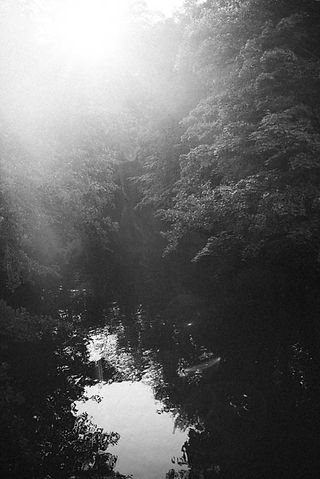

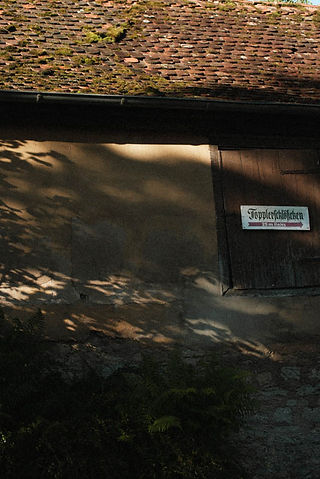
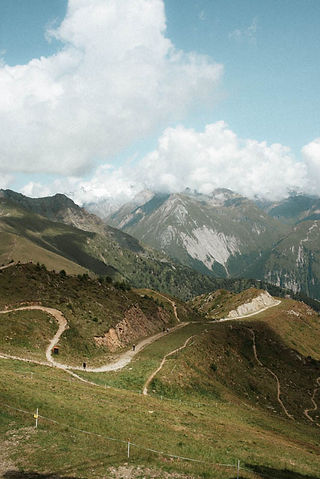
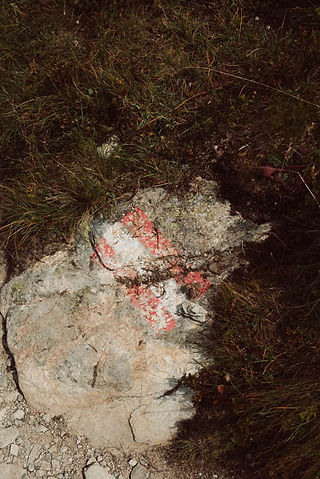


THE RETURN Now, back at my desk in the lowlands, a certain melancholy for the heights lingers. I miss the stillness, the scale of the peaks, and the simple joy of high-altitude wandering. These photographs serve as a testament: that even in landscapes captured ten thousand times before, there are always new stories to be found for those willing to look.
Perhaps that is the greatest lesson of the season: with a fresh gaze and a steady balance, one can always find a new horizon.

Opmerkingen